
Scroll through social media, and you'll see the highlight reel of moving abroad: a toast with a new friend against a stunning sunset, the first triumphant trip to a local market, the romantic shot of an ancient, winding street. From the outside, it looks like a seamless adventure, a beautiful, exciting new chapter.
But anyone who has packed their life into boxes and started over in a new country knows there's a quieter, more complex story unfolding just off-camera. When you move, you don't just change your address; you experience a profound, often unspoken, loss of the person you used to be. The familiar parts of yourself, the ones woven into the very fabric of your daily life, suddenly come undone.
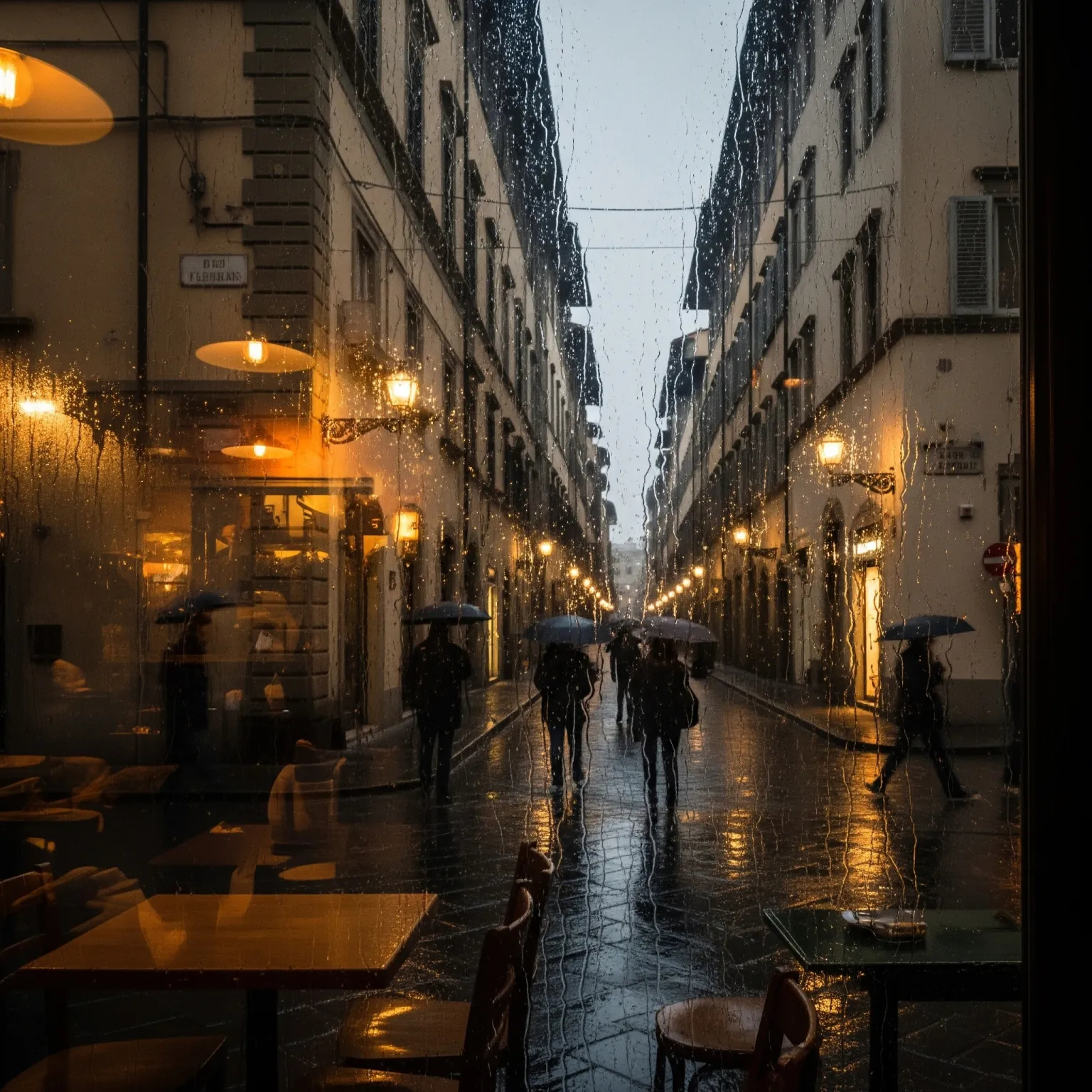
The echo chamber of a new language
One of the first and most humbling changes is the loss of your voice. Not your literal voice, but your ability to use it with precision and personality. At home, you were witty, articulate, maybe a little sarcastic. You could tell a compelling story, make a perfectly timed joke, or offer nuanced comfort to a friend.
Suddenly, you find yourself in a world where your vocabulary shrinks to that of a toddler. You're pointing at menus, staying quiet in group conversations. Not because you have nothing to say, but because the effort of translating your thoughts is exhausting. Your quick wit is gone, replaced by a frustrating delay. That intelligent, capable adult feels like a ghost, and a quieter, smaller version of you begins to emerge out of necessity.
This is something I hear often in my counselling practice. Expats describe feeling like a shadow of who they used to be. Not because they've changed, but because the world around them no longer reflects the person they know themselves to be.
The unravelling of daily rhythms
We rarely notice how much of our identity is built on the foundation of our routines. These are the small, unconscious rituals that anchor our days: the specific way you order your morning coffee, the familiar smile from the baker who knows your name, the effortless navigation of your local supermarket.
In a new country, that entire foundation vanishes. Every simple task becomes a complex challenge. This constant state of high alert leads to a profound sense of decision fatigue. The ease of being is gone, and with it, that sense of effortless competence that made you feel like yourself.

The quiet loneliness of starting over
Perhaps the most challenging part is rebuilding a social world from scratch. Your closest friends, the ones who understand your history and your shorthand, are now just faces on a screen in a different time zone. The spontaneous coffee dates and easy weekend plans are replaced by the daunting and deliberate act of making new friends as an adult.
It's a vulnerable process. You feel like you're on a series of first dates, constantly explaining who you are, trying to find a connection. You miss the comfort of being fully known. This social disconnect can be the most overwhelming part, a quiet loneliness that settles in even when you're surrounded by people. It's something I explored in The Invisible Partner: that feeling of being unseen, even within your own family.
And yet, asking for help can feel impossible. You chose this life. You're supposed to be grateful. So you push through, and the loneliness deepens.
Rebuilding, piece by piece
In the midst of this disorientation, something slowly begins to shift. It's not a dramatic change, but a series of small, hard-won victories. It's the first time you successfully navigate a conversation entirely in the local language. It's the day the barista at your new local café remembers your order. It's the moment your home starts to feel like a sanctuary, a place to finally exhale.
You start to build new routines and discover your favourite quiet corners of the city. And in the process, you uncover parts of yourself you never knew existed: a deep well of resilience, a newfound courage to embrace discomfort, and a heightened ability to find joy in the smallest of moments. You aren't just finding the person you were; you're meeting a new version of yourself.

Why this matters in counselling
This journey, from losing yourself to slowly rebuilding, is one of the most common themes I work with in my practice. It's not a sign that something has gone wrong. It's a natural, if painful, part of the expat experience. But it doesn't have to be faced alone.
Having made this journey myself, multiple times, across multiple countries, over more than 30 years, I understand this emotional landscape from the inside. I know what it feels like to mourn a version of yourself while trying to build a new one. And I know how much it helps to have someone in your corner who truly gets it.
Because moving abroad isn't about losing yourself entirely. It's about shedding a skin to allow for new growth. It's a challenging, transformative, and ultimately beautiful process of rediscovery. And it's a journey you don't have to take alone.